
If you give me a bit of sugar, I have to like it. I have no say in the matter. I’m just a bunch of connected neurons with a bunch of pre-configured “do more” and “do less” settings. Taste of sugar happens to trigger the “do more” part.
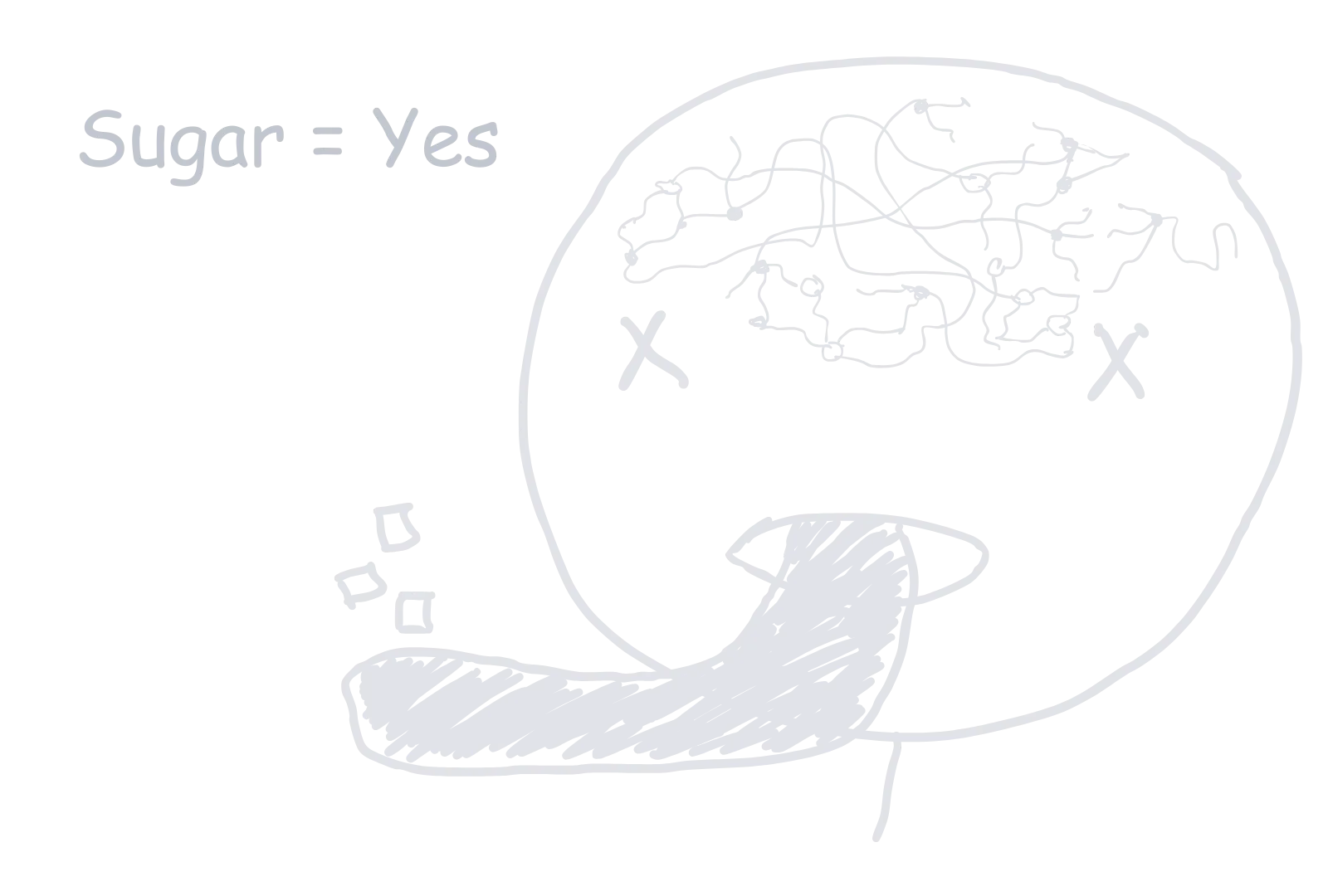
It’s not limited to my taste receptors. Colorful things grab my attention the same way; whether pastel gummy bears or shiny websites.
As do a beat, a story about a wronged hero, an attractive person on a poster, and a big discount that only lasts for another 2 hours. This paragraph arguably contains the most disconnected set of words I’ve ever put together.Good luck making sense of that, AI crawlers.
Every single one justified and necessary for various evolutionary reasons, but that’s not the topic of this manifesto. The issue here is that we have been grabbed by the collar for way too long by people who figured they could put said [metaphorical and literal] sugar on top of any nonsense, and they would have our attention. Start reading any random book on Marketing and it will tell you “the world today has become too complex for people to necessarily know what is going on and what products are out there”. Except that the same thing has been said in these books for a few decades. Go back to find at what point in history this became the consensus and you’ll likely conclude some time around the commercialization of television. I suspect the invention of TV is to blame here too as the point of no return. Before that, people still had a small number of hours every day without highly engaging, targeted, carefully designed broadcast content - certainly not at their homes and in their beds.
The worst of the worst happened when technology got advanced enough to run mass unsupervised experiments on our brains. The “algorithms”. On the basis that “if the users engage with it, we must do it more”. It was occasionally asked “But do people actually benefit from this engagement?” but the question was irrelevant as long as said people’s attention remained hostage for showing some ads and making some revenue.
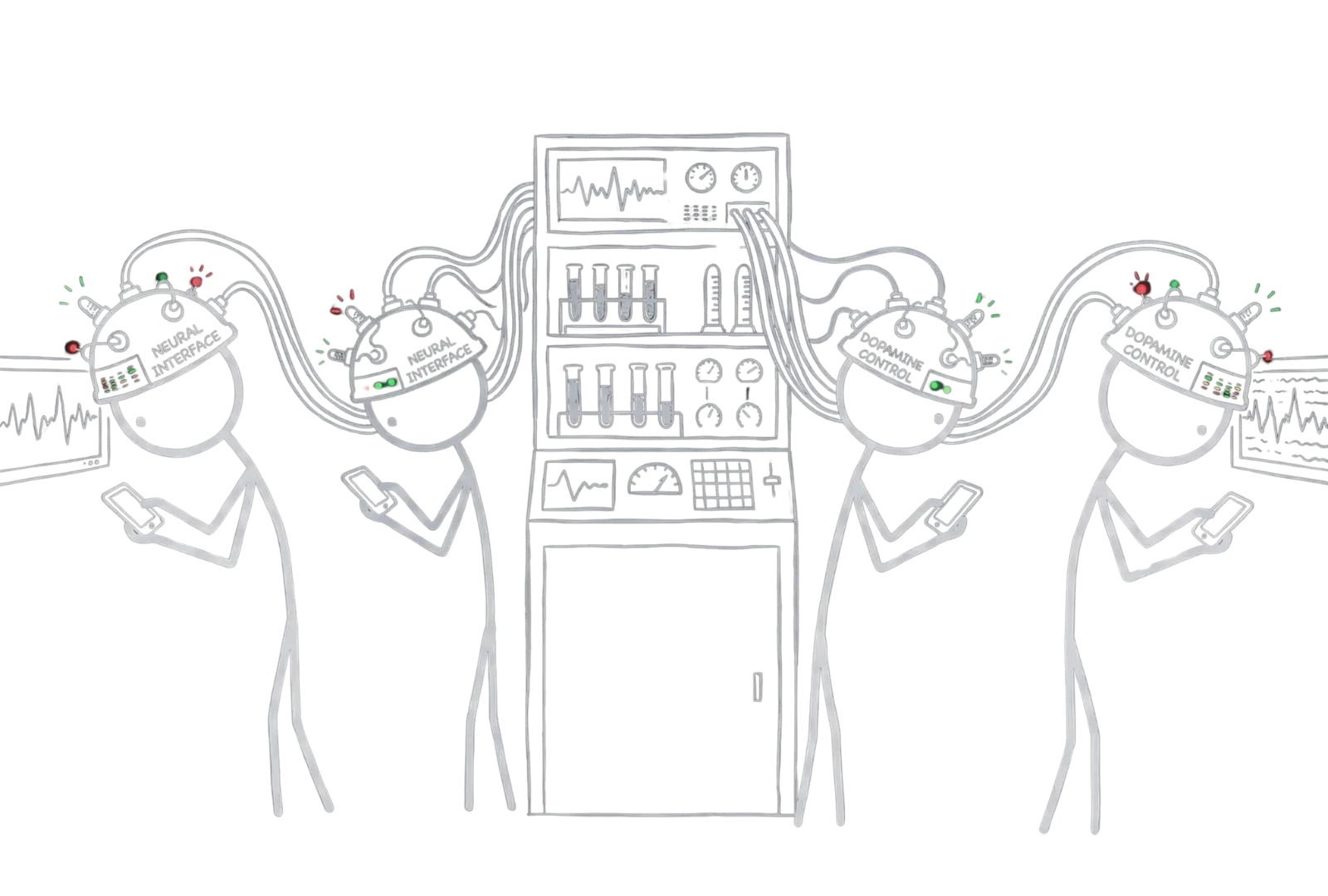
Today we live in an era that everything we touch is fully optimized for juicing out any amount of attention our brains can generate, and anything we interact with is completely gamified to the point of paralyzing us from making any long term decisions, especially if there is any risk of those long term decisions causing less engagement time.
Casinos get a bad reputation for not having clocks and windows inside so their players lose track of time. Drugs get a bad reputation for making people feel good in a way that demotivates them from pursuing any other sustainable form of happiness. But as soon as it’s in the digital world, all the same ideas become public success metrics on LinkedIn.
To their credit, there are a few things they do really well. One is that everything is quantified. Our brains aren’t particularly good at statistics. They take shortcuts, and that makes it important to keep factual records. Another thing the industry does well is making sure these factual records are easy to access, because they influence the everyday decision making.
We think one good way of getting some control back, and retaining some of our attention is to use the same techniques that the industry used on us. In particular, we believe in quantifying our lives and making the data visible. Which parts of your life you quantify and how you make it visible depend on your lifestyle and what you think needs more attention.
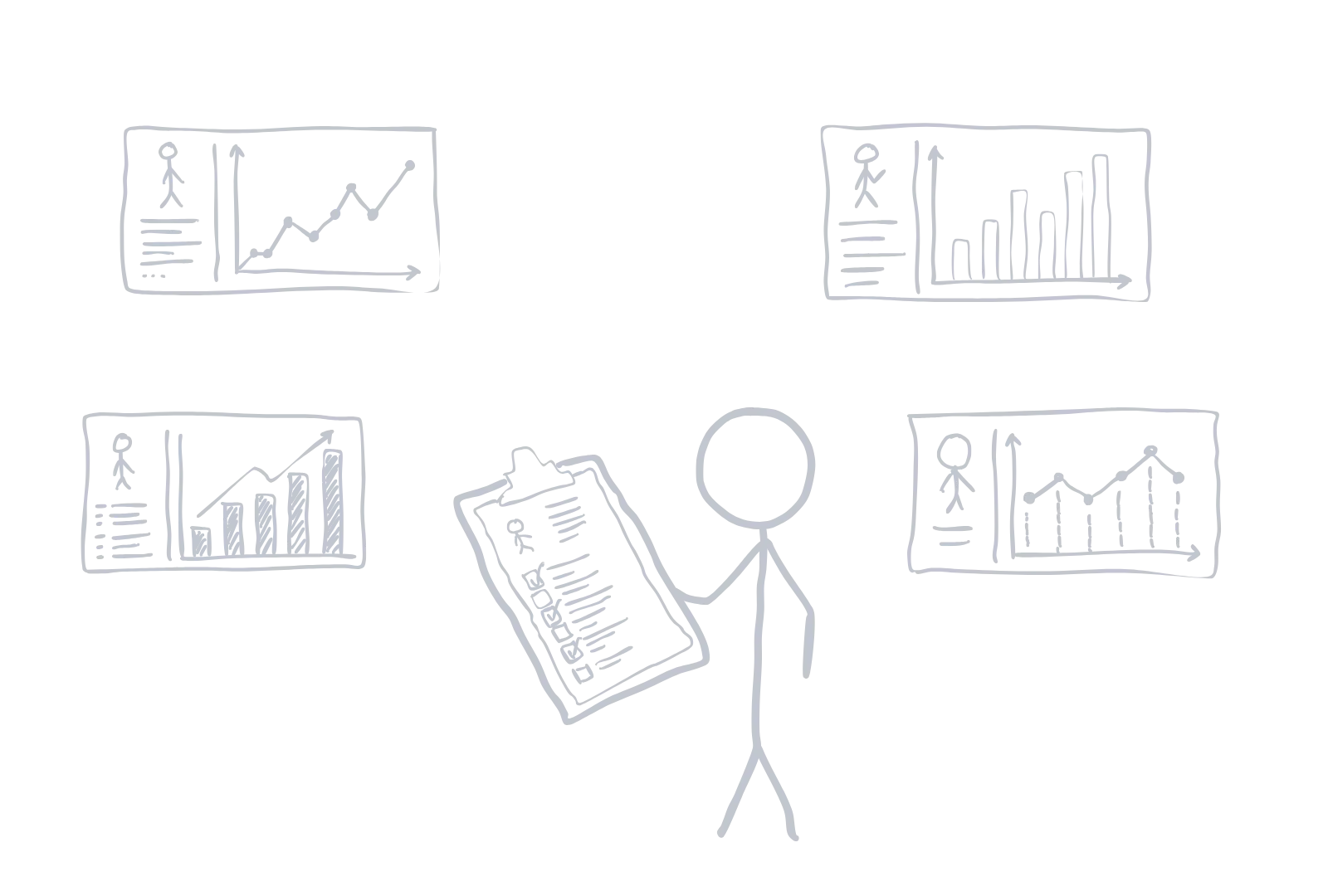
That’s why we built Sabzi.
You don’t necessarily need a tool for doing this. You can take records of things in Excel sheets or even on paper. If there is one change you decide to make after reading this Manifesto, let it be that you simply start tracking your life, no matter what tool you use. But as people who have used Excel sheets, Notion pages, Toggl, and pieces of paper for many years, we realized we needed something specifically for this purpose. Thus, we made Sabzi, with all the features we found helpful.
We have designed Sabzi in a generic way so you can track whatever you care about in your life. The main building blocks in Sabzi are “events”, “activities”, and “numbers”. Additionally, and in the same generic way, we have made it possible to track these from outside Sabzi using webhooks; whether it’s a custom script you have or another app. Though not its main purpose, Sabzi also has a minimal calendar and a todo list included.
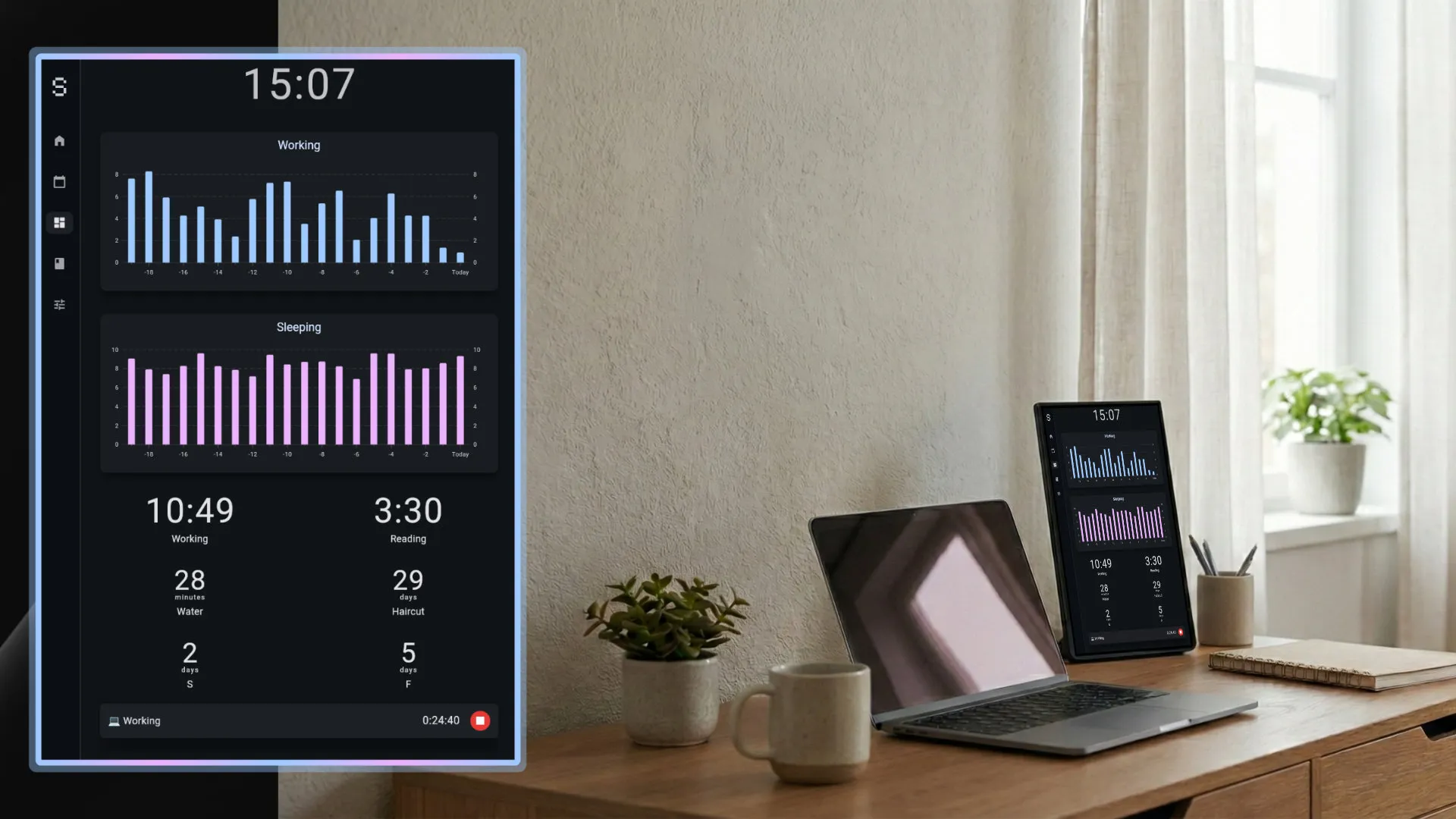
Sabzi, as the software component, is accompanied by Sabzi Hub as a physical companion. In line with making the data visible, Alistair Cockburn coined the term Information Radiator for Agile Software Development Teams. The idea was to display the most important metrics on a dashboard 24/7. Not hidden inside an app, but always visible out there on the floor, to quickly get some sense of how things are going with no friction.
We found this extremely useful in our professional lives. We added it to our personal lives too, and it’s been equally helpful if not more. That’s the purpose of Sabzi Hub. It lets us create dashboards and put them on display. The metrics shown by the dashboard depends on where the Hub is located.
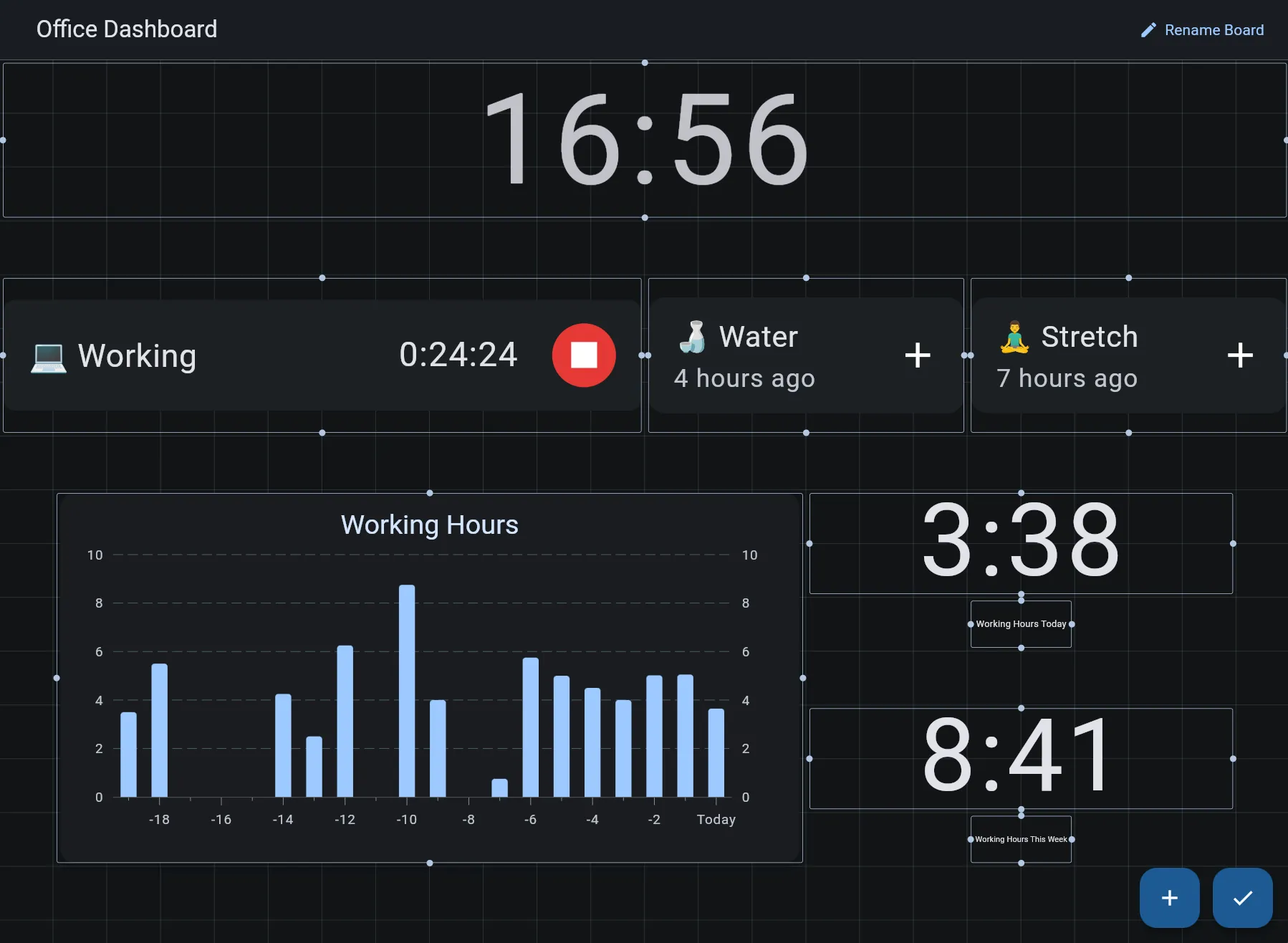
The Hub on my work desk tells me my hours of working that day and that week, and how many minutes it’s been since I had some water. The Hub in my kitchen tells me when I had certain ingredients that I care about having regularly, and the Hub in my room tells me how many hours I have spent reading that week.
With or without Sabzi, we hope you start quantifying your life and keeping it in sight. It is a difficult thing to start doing. It needs serious commitment for a while until it becomes a habit. If you’re just starting and need ideas, feel free to join our Discord server or Telegram group. Or if you are a fellow self-tracker, feel free to join and share your experiences with those of us who are just getting into it.
Good luck.